Discipline I
Furniture Refinishing & Structural Repair
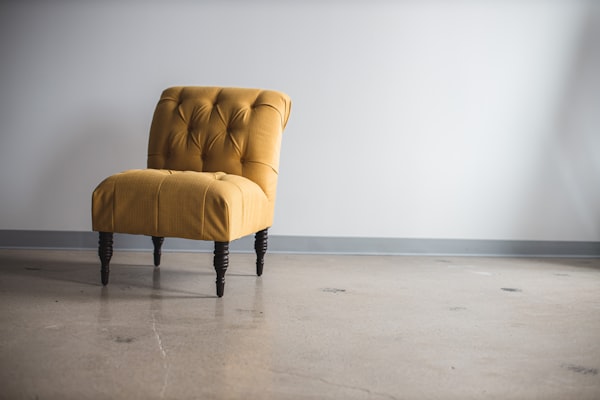
Furniture is the backbone of our workshop. Whether you've inherited a Federal-period sideboard or a mid-century Danish teak credenza, our approach begins with an understanding of the wood itself — its species, age, grain pattern, and how it has responded to decades (or centuries) of environmental stress.
What We Address
- Structural failures: Loose or broken joints, split panels, warped table tops, and cracked legs are stabilized using period-appropriate joinery methods. We never use modern metal fasteners on antique pieces unless they were part of the original construction.
- Surface damage: Water rings, heat marks, deep scratches, and cigarette burns are treated through a layered process of careful sanding (by hand, never with power tools on delicate surfaces), staining with custom-mixed pigments, and finishing with French polish or hand-rubbed tung oil.
- Veneer restoration: Lifting, bubbling, or missing veneer is re-laid using hide glue and clamped under controlled pressure for seventy-two hours to ensure a lasting bond.
- Missing hardware: We maintain an extensive inventory of period-correct brass, iron, and porcelain hardware. When an exact match is unavailable, we commission custom reproductions from heritage foundries.
Our Finishing Philosophy
A finish should enhance wood — not conceal it. We favor shellac-based French polish for pre-1900 pieces and hand-rubbed oil finishes for Arts and Crafts and mid-century modern items. Polyurethane and lacquer spray are never used in our workshop; they create a plastic-like surface film that is historically inaccurate and, over time, can yellow or peel.